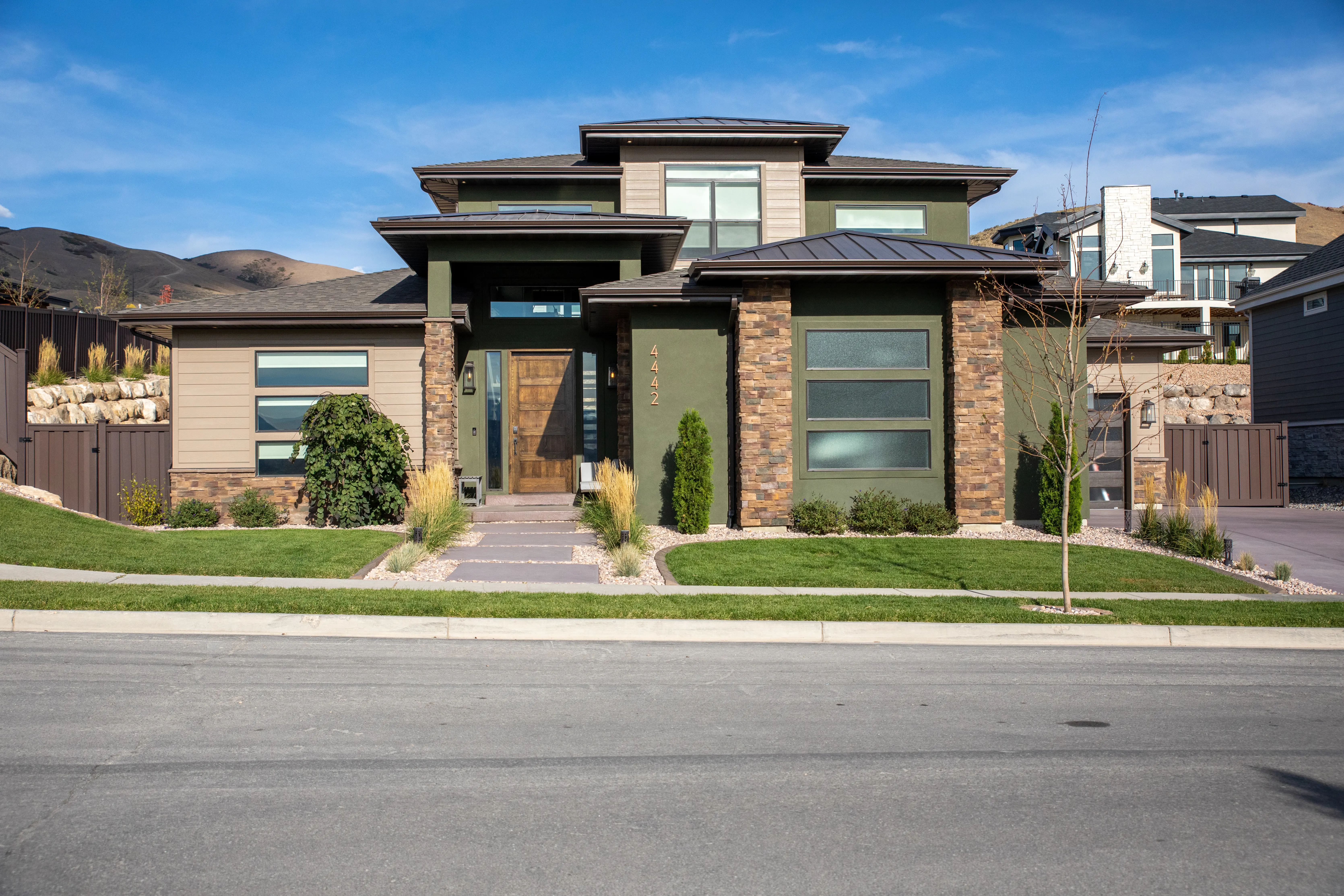
How Does BYU Football Fall Camp Buzz Shape Investor Interest Near Provo and Edgemont?
Quick Answer: BYU football fall camp can bring fresh attention to Provo, but investors should treat the buzz as a starting point rather than a full investment thesis. Near Provo and Edgemont, the stronger question is how daily location, property condition, rental rules, and long-term ownership costs fit your goals. A home that feels exciting during football season may still need careful review of disclosures, association documents, tax records, insurance estimates, and rental history. The right property is usually the one where lifestyle appeal and numbers can both hold up.
Key Takeaways
- Football-season energy can raise attention, but fundamentals still drive investor fit.
- Provo and Edgemont require separate review of location, rules, and property condition.
- Rental potential may vary by property type, zoning, and ownership restrictions.
- Game-day appeal should be weighed against year-round livability and demand.
- Accurate costs belong in current records, not outdated online estimates.
- No single Provo-area option fits every investor strategy.
One of the biggest misconceptions I hear is that BYU football buzz automatically makes every nearby property a smart investment. The energy is real, and fall camp can make Provo feel especially alive, but a good investment still has to work on an ordinary weekday after the season quiets down.
Game-day excitement is only one layer of the decision.
As a top-producing broker helping buyers and sellers in Provo and Utah County year after year, I’ve learned that the strongest investors look beyond the headline. They study the property, the rules, the carrying costs, and the feel of the location before they decide whether the opportunity has staying power.
Buying Near BYU Campus vs. Buying in Edgemont
| Aspect | Near BYU Campus | Edgemont Area |
|---|---|---|
| Investment feel | Often more tied to university proximity, football-season visibility, and access to BYU-related activity. | Often more residential in feel, with investors paying closer attention to long-term hold quality and property condition. |
| Rental strategy questions | Verify rental licensing, occupancy rules, parking, HOA restrictions, and whether the layout supports your intended tenant profile. | Review zoning, HOA documents when applicable, neighborhood parking realities, and whether the home’s layout fits your preferred rental model. |
| Property review priorities | Noise, parking, access, deferred maintenance, and rental history can matter as much as proximity. | Roof, systems, yard upkeep, floor plan, and long-term resale appeal may carry extra weight. |
| Game-day relevance | Closer properties may receive more attention during BYU football weekends and fall camp buzz. | Football can still be part of the broader Provo story, but the investment case may depend less on stadium proximity. |
| Best fit for | Investors comfortable with detailed due diligence around rules, turnover, and location-specific demand. | Investors who want a property that may feel less event-driven and more tied to traditional residential fundamentals. |
What Should Investors Know About Buying Near BYU Football Activity?
Investors should know that attention around BYU football can create interest, but it does not replace due diligence. A property near Provo’s university energy may appeal to certain renter or buyer profiles, while another property farther into a quieter residential setting may fit a different hold strategy.
The smarter approach is to separate seasonal excitement from year-round performance. Review whether the home’s layout, parking, maintenance profile, and rental permissions support your intended use before assuming the location will carry the investment.
Key investor checks include:
- Rental use restrictions
- Parking configuration
- Property condition
- HOA documents
- Maintenance history
- Local tax records
Provo and Edgemont Offer Different Investment Conversations
Two areas may look similar online, but once you spend time there, the rhythm can feel completely different. Investors often need to compare not just address and price, but how the property lives, how it may rent, and how easily future buyers may understand its value.
Provo Bench - Edgemont
Provo Bench - Edgemont can be part of a thoughtful investor search when you want to study Provo-area ownership through a neighborhood lens. Property-by-property review matters here because age, condition, remodel history, association obligations when applicable, and rental rules may change the investment picture.
Provo
Provo carries the broader name recognition tied to BYU, local services, and Utah County activity. For investors, that recognition can be useful, but it should be tested against current listing details, seller disclosures, rental history, and the specific location of the home rather than treated as a blanket advantage.
How Fall Camp Buzz Can Affect Investor Thinking
Fall camp can sharpen attention on Provo because it puts football, campus routines, and local movement back into the conversation. That attention may help investors notice areas they had previously overlooked, but it can also tempt buyers to move too quickly.
A better lens is to ask how the property performs outside the seasonal spotlight. If the home depends on a narrow window of excitement to make sense, the risk profile may be different than a property with broader year-round appeal.
Investor questions to ask include:
- Who is the likely renter?
- What rules affect leasing?
- How current is the rental history?
- What repairs are coming?
- How flexible is the layout?
Costs, Rules, and Records Matter More Than Online Assumptions
Specific costs should come from current documents, not guesses. Property taxes should be checked through property tax records, insurance should be estimated through current insurance sources, and association obligations should be verified through association documents, current budgets, assessment history, and estoppel information when applicable.
Rental performance should also be grounded in records. Seller disclosures, maintenance records, rental history, and any applicable rules can show whether the investment lines up with your plan or whether additional obligations may affect the return.
What I Recommend Every Investor Review First
Before writing an offer, I encourage investors to review:
- Seller disclosures
- Rental history
- Association documents and budget
- Assessment history
- Property tax records
- Insurance estimates
- Maintenance records
These conversations are just as important as negotiating the purchase price because they reveal how the property may actually perform after closing.
Is Buying Near Provo and Edgemont Right for Your Investment Strategy?
For many investors, the answer may be yes, but only when the property fits both the numbers and the intended lifestyle use. BYU football fall camp can add energy to the conversation, yet the better decision comes from matching your budget, timeline, risk tolerance, and management plan to the actual home.
No single option wins for every investor. A property closer to Provo activity may fit one strategy, while a quieter setting or different property type may better support another.
The next step is to compare real listings, current documents, and your long-term goals side by side. That is where the buzz turns into a more grounded investment decision.
Explore Homes for Sale
Related Guides
- 5 Reasons Locals Truly Enjoy Living in Provo, Utah: What Buyers Need to Know
- How Do Utah Communities Honor Fallen Officers? A Buyer’s Guide From Provo to Southern Utah
- Best Areas to Retire In and Near Provo, Utah
- Cost of Living in Provo, Utah: What First-Time Buyers Should Know
- Is Provo Walkable? A Local's Guide for Utah Buyers in 2026
Ready to compare Provo and Edgemont investment opportunities with a local lens? Connect with Summer Luke and explore current listings through onxrealty.com.
Frequently Asked Questions
Is buying near BYU football a good investment in Provo?
Buying near BYU football can be a strong fit for certain investors, especially when the property works beyond game-day excitement. BYU fall camp began in Provo on August 5, 2026, with the season building toward a September 5 opener at LaVell Edwards Stadium, so the area is getting its familiar late-summer attention again. ([byucougars.com](https://byucougars.com/news/2026/08/5/cougars-pounce-on-first-practice-of-2026-fall-camp?utm_source=openai)) The better investment question is whether the home has durable rental appeal, manageable upkeep, and zoning or HOA rules that support your intended use.
What should investors know before buying in Edgemont?
Investors looking at Edgemont should pay close attention to property condition, parking, layout, and rental rules before assuming a home will perform well. The area can feel different from central Provo because the investment story is often more about neighborhood feel, ownership stability, and long-term hold potential than quick turnover. A careful review of seller disclosures, rental history, and current city requirements can help separate a good-looking listing from a workable investment.
Are homes near LaVell Edwards Stadium good short-term rental candidates?
Some properties near LaVell Edwards Stadium may appear attractive for short-term rental use, but investors should verify legality before building a pro forma around that strategy. City rules, HOA documents, parking limits, lender requirements, and insurance terms may all affect whether short-term rental use is allowed. Current association documents, municipal records, and insurance estimates are better sources than assumptions based on football traffic.
Should I buy closer to BYU campus or farther into Edgemont?
There is no single right answer because the better location depends on the investment model. Properties closer to BYU may draw attention from buyers who value university proximity, while Edgemont may appeal to investors looking for a quieter residential setting and a different renter or resale profile. The strongest choice is usually the one where the numbers, rules, condition, and exit strategy align.
Does BYU football season affect real estate demand?
BYU football season can increase attention around Provo, especially as fall camp and home games put the area back into everyday conversation. BYU’s published football schedule includes multiple home games in Provo at LaVell Edwards Stadium, which can keep local visibility high during the season. ([byucougars.com](https://byucougars.com/news/2026/08/6/fall-camp-week-1-a-look-at-byus-2026-schedule?utm_source=openai)) That attention may support investor interest, but it should not replace underwriting based on rent potential, expenses, and property-specific risk.
What property types should investors compare near Provo and Edgemont?
Investors should compare single-family homes, condos, townhomes, and properties with flexible layouts when applicable. Each type carries different questions around maintenance, financing, HOA control, rental use, and resale demand. The best option is usually the one that matches your holding period and can still make sense if the rental strategy changes.
How do I estimate expenses for an investment property near BYU?
Use current property-specific documents rather than broad averages. Reliable sources include seller disclosures, property tax records, HOA budgets and rules, assessment history, insurance estimates, maintenance records, and any verified rental history. Expenses may change over time, so investors should leave room for repairs, vacancy, policy changes, and seasonal maintenance.
Is now a good time to buy an investment property in Utah?
Now can be a reasonable time to buy if the property is priced with today’s financing, rental rules, and maintenance expectations in mind. Utah investors generally need to be disciplined because a desirable location alone does not guarantee a strong return. A property-level review with a local agent can help clarify whether the opportunity is investment-grade or simply interesting.
Local Market Insight
One Utah detail newcomers sometimes miss is that Provo investment property decisions can turn on rules as much as location. A home may look ideal on a map because it sits near BYU, Edgemont, or LaVell Edwards Stadium, but the usable investment strategy depends on what the city, lender, insurer, and any HOA actually allow. Before writing an offer, investors should confirm:
- Current zoning and rental-use rules for the specific address
- HOA rental restrictions, budget, reserves, and assessment history when applicable
- Parking availability and whether it fits the intended rental use
- Seller disclosures, maintenance records, and age of major systems
- Verified rental history rather than projected income alone